





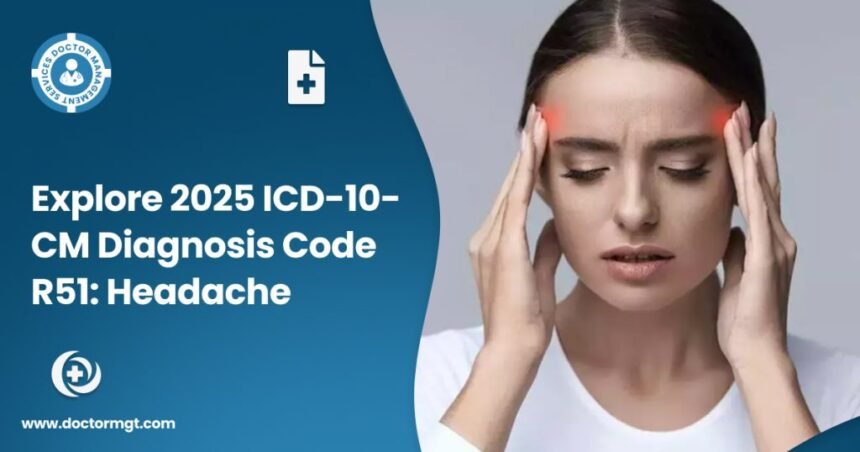
Headaches are something almost everyone experiences at some point. Some are mild and short-lived. Others can disrupt the entire day. In medical records, doctors often use specific codes to describe health conditions. One such code is r51.9, which refers to an unspecified headache. While the code may look technical, the condition itself is very common and relatable.
This article explains what r51.9 means, why it is used, common causes, symptoms, and when medical attention is necessary.
What Does R51.9 Mean?
The code r51.9 comes from the ICD-10 medical classification system. ICD-10 codes help doctors, hospitals, and insurance providers document health conditions accurately. The code r51.9 specifically means headache, unspecified.
This code is used when a patient reports a headache, but the exact type has not yet been identified. It does not mean the headache is imaginary or unimportant. It simply means more information is needed before assigning a more specific diagnosis.


Why Doctors Use the R51.9 Code
Doctors often see patients with headaches that do not clearly match one specific category right away. In such cases, r51.9 allows them to record the symptom without guessing the cause.
This code is commonly used during:
-
First medical visits
-
Emergency room checkups
-
Short-term headache complaints
-
Situations where tests are still pending
Using r51.9 helps ensure proper documentation while further evaluation takes place.
Common Causes Linked to R51.9
An unspecified headache can be triggered by many everyday factors. Some of the most common causes include:
Stress is one of the biggest contributors. Long work hours, emotional pressure, and lack of relaxation can all lead to head pain.
Dehydration is another frequent cause. Not drinking enough water can easily result in dull or throbbing headaches.
Lack of sleep also plays a major role. Irregular sleep schedules or poor sleep quality often lead to morning headaches.
Eye strain from excessive screen use can cause tension around the forehead and temples.
Sinus pressure, mild infections, or weather changes may also result in headaches that fall under r51.9.
Symptoms of an Unspecified Headache
The symptoms linked to r51.9 can vary from person to person. Some people experience mild discomfort, while others feel significant pain.
Common symptoms include:
-
Dull or sharp head pain
-
Pressure around the forehead or temples
-
Pain on one or both sides of the head
-
Sensitivity to light or noise
-
Difficulty focusing
Because the symptoms overlap with many headache types, doctors may initially classify the condition as r51.9.
How R51.9 Is Diagnosed
Diagnosis usually begins with a conversation. Doctors ask questions about pain location, duration, frequency, and triggers. They may also ask about lifestyle habits, stress levels, and sleep patterns.
In most cases, no immediate tests are required. However, if headaches are severe or persistent, further evaluation may be recommended. This can include blood tests, vision checks, or imaging studies.
Until a clear cause is identified, the headache may remain classified as r51.9.
Treatment Options for R51.9
Treatment depends largely on the individual situation. Since r51.9 is a general code, treatment focuses on symptom relief.
Over-the-counter pain relievers are often helpful for mild headaches. Resting in a quiet, dark room can also provide relief.
Staying hydrated is essential. Drinking enough water throughout the day can prevent recurring headaches.
Stress management techniques such as deep breathing, stretching, or short breaks during work can reduce headache frequency.
If headaches occur often, doctors may suggest keeping a headache diary to identify patterns and triggers.
When R51.9 Needs Further Attention
Most unspecified headaches are not dangerous. However, medical attention is important if certain warning signs appear.
Seek medical help if headaches:
-
Occur suddenly and severely
-
Worsen over time
-
Are accompanied by fever or confusion
-
Follow a head injury
-
Interfere with daily activities regularly
In such cases, the diagnosis may be updated from r51.9 to a more specific condition.
Living With Occasional Headaches
Many people experience headaches occasionally without any serious underlying issue. Understanding the r51.9 code helps reduce anxiety about seeing it in medical records.
Simple lifestyle changes often make a big difference. Regular sleep, balanced meals, reduced screen time, and stress control all support better head health.
Listening to your body is key. Addressing headaches early can prevent them from becoming a long-term problem.
Consolation
The medical code r51.9 represents a common experience rather than a serious diagnosis. It allows healthcare providers to document headaches accurately while gathering more information.
Most headaches linked to r51.9 are temporary and manageable. With proper care and awareness, many people find quick relief and return to their normal routines.
Understanding this code empowers patients to communicate better with healthcare professionals and take control of their well-being.